Choosing the right herbicide sprayer is crucial for efficient and sustainable farming. This guide explores various sprayer types, technological advancements, market trends, and actionable steps to optimize your weed control strategy. We'll dissect the components, delve into precision spraying techniques, and examine the environmental implications, ultimately helping you make informed decisions for your farm's future. For smaller operations, consider a smaller sprayer option.
Understanding Herbicide Sprayer Types and Components
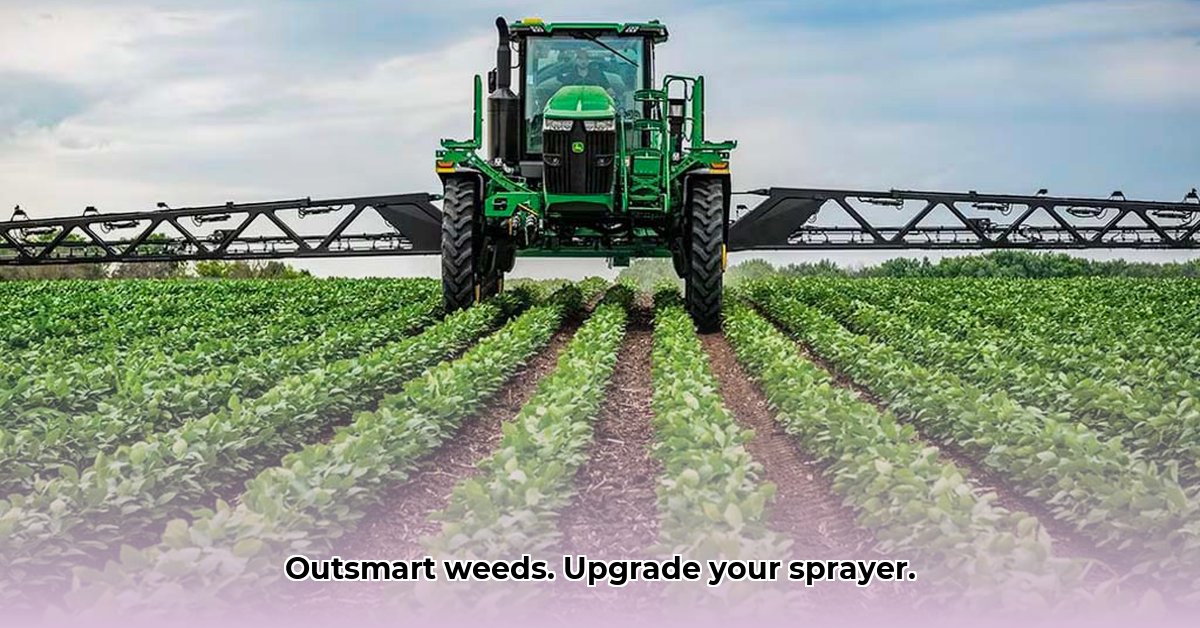
Herbicide sprayers for tractors come in various types, each with its own set of advantages and disadvantages. The most common types include boom sprayers and airblast sprayers. Boom sprayers utilize a long boom with multiple nozzles to cover a wide swath, ideal for large, flat fields. Airblast sprayers, on the other hand, use a high-velocity airflow to direct herbicide precisely. The choice depends on factors such as field size, terrain and crop type.
Key Sprayer Components:
- Tank: The size of the tank significantly impacts efficiency. Larger tanks (60 gallons or more) reduce refill frequency, increasing daily coverage. Smaller tanks are suitable for smaller farms or more maneuverable operations.
- Pump: Centrifugal pumps provide high flow rates ideal for large-scale applications, while roller pumps deliver higher pressure for precise application.
- Boom: Adjustable booms allow for adaptation to different field widths, optimizing coverage and minimizing overlap.
- Nozzles: Nozzle selection significantly influences droplet size, impacting herbicide effectiveness and drift reduction. Different nozzle types are best suited for different applications and crops.
Precision Spraying Technologies: Optimizing Efficiency and Reducing Waste
Modern herbicide sprayers are incorporating advanced technologies to enhance precision and minimize environmental impact. These include:
- GPS Guidance Systems: GPS-guided sprayers improve precision by following pre-programmed paths, reducing overlaps and minimizing chemical usage. This targeted technique, often called site-specific application, is highly effective for reducing costs and environmental impact.
- Variable Rate Application (VRA): VRA systems dynamically adjust herbicide output based on real-time field data (weed density, soil type, etc.). This allows for optimal application based on specific needs, maximizing efficiency and minimizing chemical use. This is a smart system that adapts to the field’s current conditions.
Market Analysis: Trends and Innovations
The herbicide sprayer market is dynamic, with several key trends emerging:
High-Capacity Sprayers: The demand for high-capacity sprayers continues to grow, particularly among large-scale farming operations. These machines reduce downtime associated with frequent refills, leading to increased productivity.
Precision Technologies: Adoption of GPS and VRA technology is accelerating as farmers recognize the significant benefits in terms of reduced costs, enhanced efficiency, and minimized environmental impact.
Sustainability Focus: There’s a growing emphasis on environmentally friendly designs and materials in sprayer construction, promoting sustainable practices and reduced chemical usage. The goal is to minimize drift and optimize chemical application, resulting in both cost savings and environmental protection.
Sustainability Considerations: Minimizing Environmental Impact
Sustainable herbicide spraying demands careful consideration of environmental aspects. Key focus areas include:
Drift Reduction: Utilizing low-drift nozzles significantly minimizes herbicide loss, preventing its dispersal into surrounding air and water bodies.
Optimized Chemical Usage: Precision application technologies drastically reduce the overall amount of herbicide needed, saving resources and contributing to environmental stewardship.
Actionable Steps for Stakeholders
This section provides a detailed plan of action for various stakeholders.
For Farmers:
- Assess Your Needs: Determine your farm's size, crop types, terrain, and specific herbicide needs.
- Research & Compare: Analyze sprayer models from multiple manufacturers, examining specifications, features, pricing, and user reviews. Consider the long-term cost of ownership.
- Invest in Precision: Explore GPS guidance and VRA technologies to optimize application. The long-term cost savings are significant.
- Prioritize Sustainability: Choose models featuring low-drift nozzles and environmentally friendly materials.
- Regular Maintenance: Implement a robust maintenance schedule to ensure optimal sprayer performance and longevity. Proper maintenance prevents costly breakdowns and extends the lifespan of your equipment.
For Manufacturers:
- Innovate for Sustainability: Develop sprayers using recycled materials and incorporating features that minimize environmental impact.
- Embrace Precision Technology: Incorporate advanced technologies such as GPS and VRA to enhance efficiency and reduce chemical usage.
- Focus on User-Friendliness: Ensure that sprayers are easy to operate and maintain, reducing the training burden for workers.
- Lifetime Value Proposition: Design for durability and easy repairability, extending the sprayer's service life and reducing waste.
Future Trends in Herbicide Spraying Technology
Future innovations will continue to shape herbicide application:
Autonomous Sprayers: Fully autonomous, self-navigating sprayers are on the horizon, promising significant efficiency gains and reduced labor costs.
AI-Powered Decision Support Systems: AI integration will provide real-time weed detection and optimized application strategies, further reducing waste and enhancing precision.
Alternative Power Sources: Electric and hybrid sprayers are gaining traction, aligning with the broader push for sustainability in agriculture. These represent a significant step towards lower emissions and improved environmental performance.
Conclusion
Upgrading your herbicide sprayer is an investment that offers significant returns in terms of efficiency, cost savings, and environmental responsibility. By carefully considering sprayer type, incorporating precision technologies, and prioritizing sustainable practices, farmers can maximize their productivity while minimizing their environmental impact. Understanding the latest market trends and future innovations will ensure continued progress towards more efficient and sustainable weed management practices.